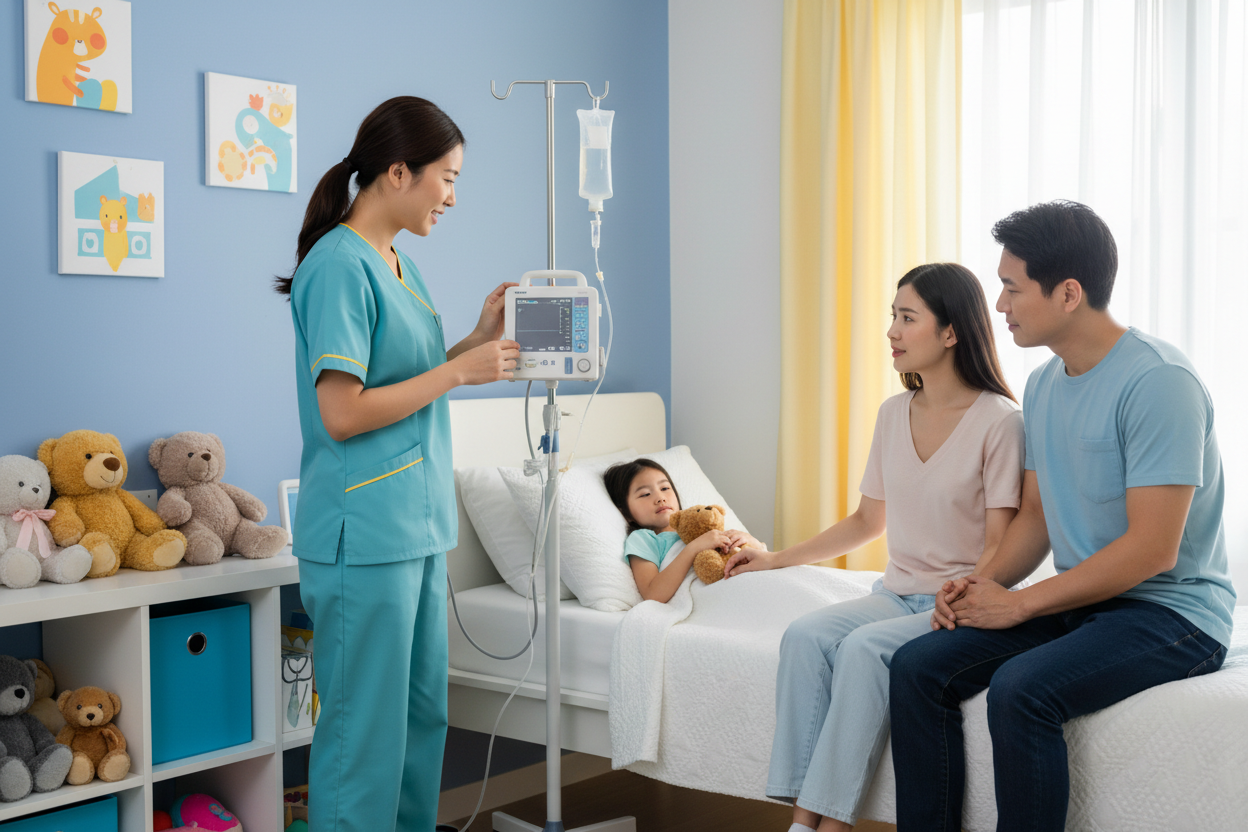
For families of medically fragile children, a hospital discharge rarely feels like the end of a health crisis. Instead, it often marks the beginning of a new phase of close monitoring, daily care routines, and careful planning to avoid returning to the emergency room. Readmissions can interrupt recovery, increase stress for families, and expose children to additional health risks.
Preventing pediatric hospital readmission is not always about major medical interventions. In many cases, it comes down to consistent monitoring, accurate medication routines, and early response to small changes in a child’s condition. With the right support at home, families can create an environment that promotes stability and reduces the likelihood of unexpected hospital stays.
Why Medically Fragile Children Face Higher Readmission Risks
Children with complex medical needs often rely on feeding tubes, respiratory support, or frequent medications. Even minor disruptions in care routines can lead to complications such as infections, dehydration, or respiratory distress.
After a hospital stay, recovery may still be in progress. Without structured child health management at home, warning signs can be missed. Symptoms that appear mild in the early stages can escalate quickly if not addressed promptly. This makes home based monitoring a key component of pediatric readmission prevention.
Role of Consistent Home Nursing Support
GAPP care strategies focus on providing skilled nursing services inside the home. Nurses monitor vital signs, administer medications, and observe changes in behavior or physical condition that might signal emerging health concerns.
Early detection is one of the most effective ways to prevent hospital stay reduction challenges. For example, a nurse may notice subtle breathing changes or feeding intolerance that could indicate a developing issue. Addressing these signs early allows families and physicians to intervene before hospitalization becomes necessary.
Medication Accuracy and Scheduling
Medication errors are a common cause of pediatric readmissions. Incorrect dosages, missed medications, or timing inconsistencies can disrupt treatment plans and delay recovery.
Home nursing support helps ensure medications are administered exactly as prescribed. Nurses also monitor for side effects or reactions that may require adjustments. Accurate medication routines reduce complications and support long term stability.
Monitoring Nutrition and Hydration
For medically fragile children, nutrition plays a critical role in recovery and overall health. Feeding challenges or dehydration can lead to weakened immunity and increased vulnerability to infections.
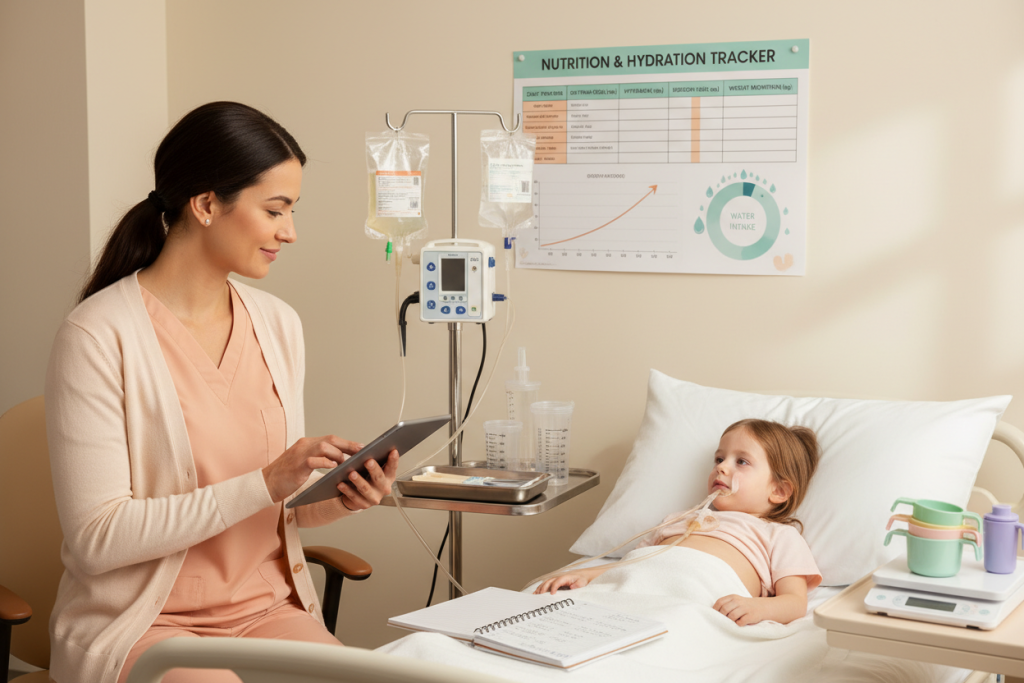
Nurses assist with feeding tube care, track intake, and monitor for signs of intolerance or discomfort. By maintaining proper nutrition and hydration, families can reduce the risk of complications that often result in readmission.
Preventing Infections at Home
Infections are one of the leading causes of hospital readmissions for children with complex needs. Proper hygiene, equipment care, and wound management are essential for reducing risk.
Home nursing professionals follow infection control practices such as sterilizing equipment, maintaining clean feeding tubes, and monitoring surgical sites. These preventive steps help protect children from avoidable health setbacks.
Communication With Healthcare Providers
Effective communication between families, nurses, and physicians supports coordinated care. Changes in symptoms or routines should be shared promptly with medical providers.
GAPP care strategies often include documentation and regular updates that help physicians make informed decisions without requiring hospital visits. Timely communication allows adjustments to treatment plans before conditions worsen.
Creating an Emergency Response Plan
Even with preventive measures in place, emergencies can happen. Having a clear response plan reduces panic and speeds intervention. Families should know whom to contact, where to go, and how to manage symptoms until help arrives.
Nurses can assist in developing these plans and educating family members on recognizing warning signs. Preparation ensures that minor issues do not escalate into hospital admissions.
Supporting Long Term Stability Through Routine
Daily routines create predictability and comfort for medically fragile children. Consistent medication schedules, therapy sessions, and rest periods support recovery and reduce stress on the child’s body.
Home nursing tips often emphasize maintaining these routines even after hospital discharge. Stability at home contributes to stronger health outcomes and fewer interruptions in care.
How SLB In Home Care Helps Reduce Readmissions
SLB In Home Care works closely with families to implement home based care plans that support pediatric readmission prevention. Skilled nurses monitor health status, manage treatments, and communicate with medical providers to address concerns early.
By focusing on proactive care, infection prevention, and accurate documentation, SLB In Home Care helps families reduce hospital stay reduction risks. This approach supports medically fragile children in maintaining stability at home while minimizing the likelihood of returning to the hospital.
Preventing hospital readmissions requires collaboration, preparation, and consistent monitoring. With the right GAPP care strategies and professional support, families can create a home environment that promotes recovery, protects health, and reduces the need for future hospital stays.