
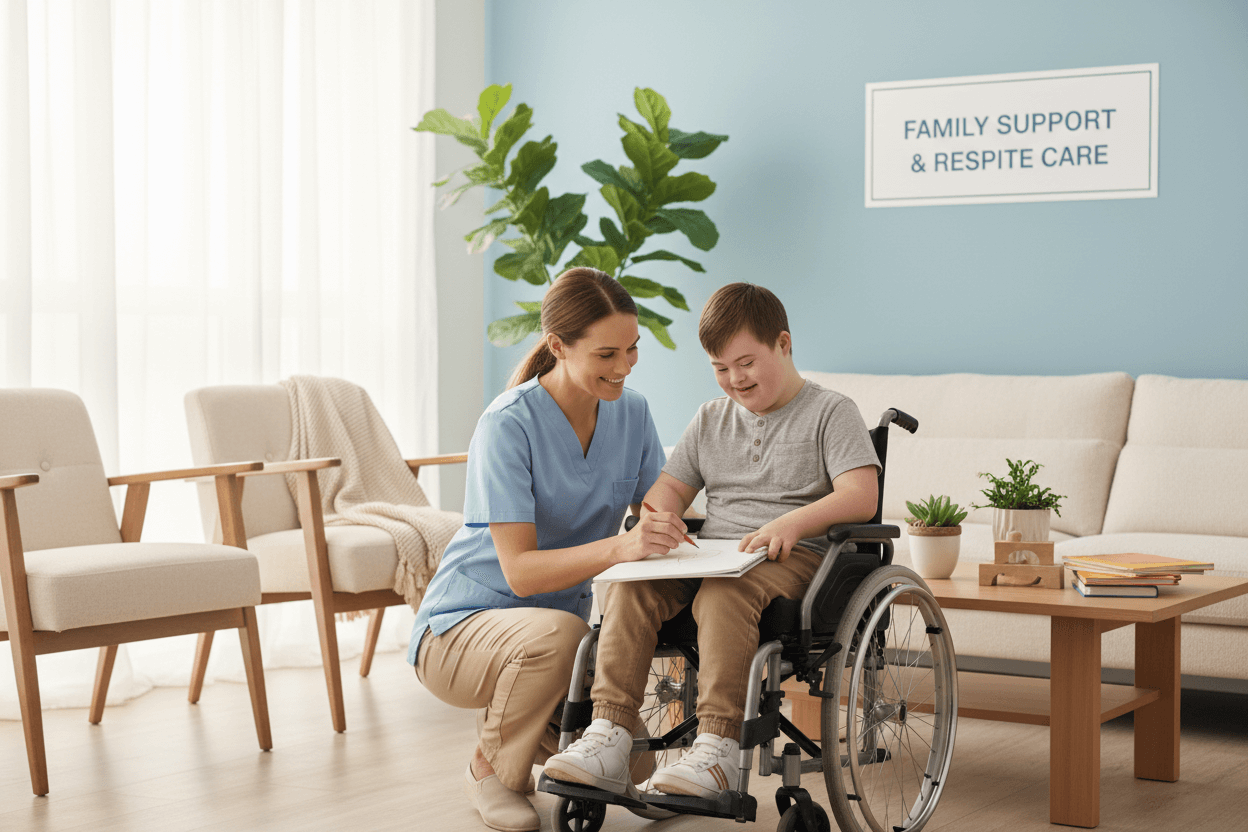
Caring for a medically fragile child is a 24/7 responsibility. Even parents with the most structured routines and support systems can experience exhaustion, stress, and burnout. For families enrolled in Georgia’s GAPP program, respite care offers a lifeline, an opportunity to step back briefly while ensuring a child continues to receive skilled nursing care. Understanding available respite options empowers parents to plan ahead, maintain well being, and sustain high quality care for their child.
Respite care isn’t just a luxury, it’s a necessity for many families. It provides time for self care, family bonding, or simply handling life’s daily demands without compromising the child’s health. By exploring the different types of respite care and available funding options, families can choose the model that best supports both the child and caregivers.
Understanding Respite Care in the Context of GAPP
GAPP respite care is short-term, professional nursing support for children who require skilled care. It allows parents or primary caregivers to rest, attend appointments, or handle personal obligations while a trained nurse manages medical needs at home. This care can range from a few hours to several days, depending on the family’s schedule and the child’s requirements.
For children with complex medical conditions, such as ventilator dependence, feeding tubes, or frequent therapies, respite nurses provide a safe and familiar environment. These services are especially helpful for families who may not have extended support from relatives or other caregivers trained in pediatric nursing.
Types of Respite Care Available to GAPP Families
1. In-Home Nursing Respite
In-home respite places a skilled nurse in the child’s home for a short period. This model maintains the child’s routine while providing parents with a break. In-home respite is ideal for children who rely on medical equipment or have strict medication schedules. Nurses manage medications, monitor vital signs, and respond to any emergencies that may arise.
This approach is particularly effective for families in Atlanta, where home nursing agencies are experienced with medically complex children and familiar with GAPP requirements. Parents benefit from peace of mind knowing their child is receiving consistent, high-quality care while they step away.
2. Center Based or Facility Respite
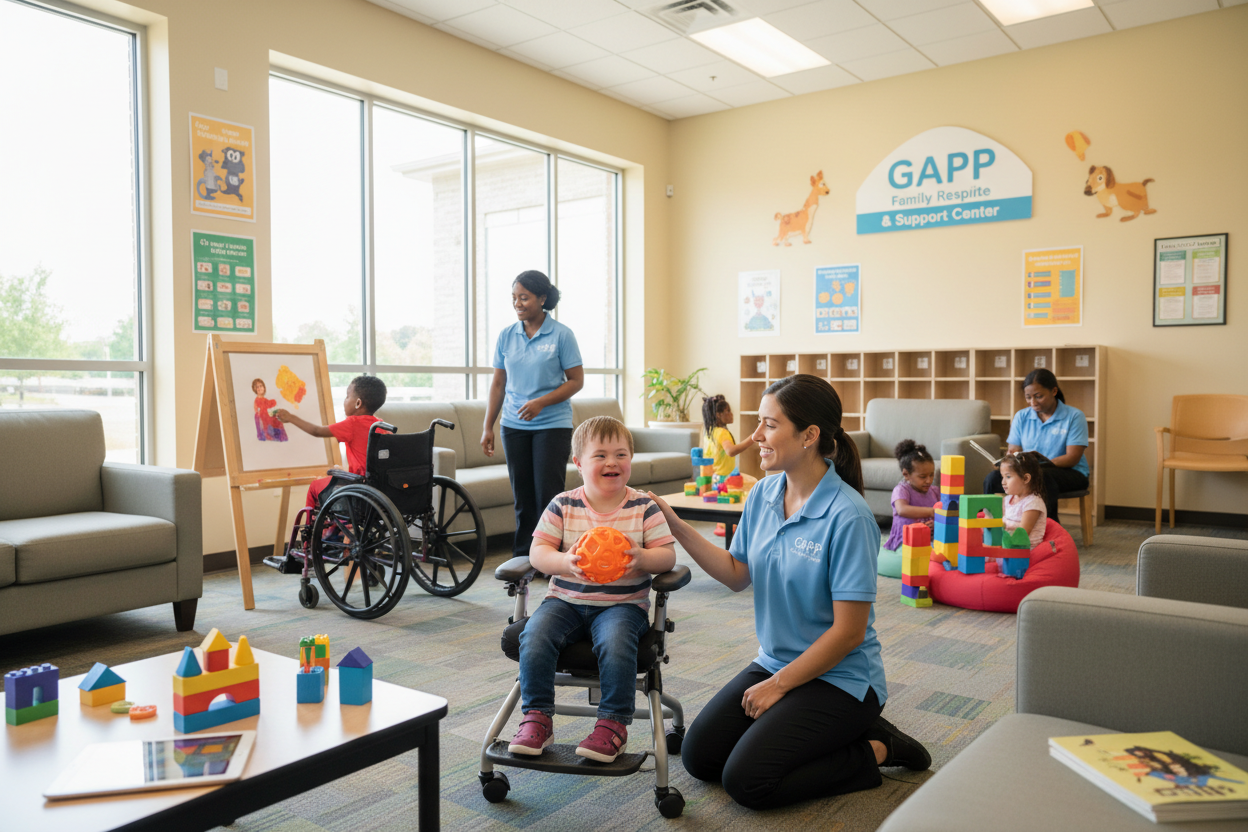
Some families prefer center based options, where children can receive skilled care in a specialized facility for a set number of hours or days. These centers often provide social interaction opportunities, therapeutic activities, and structured schedules.
Facility based respite may be helpful for families who want both relief and engagement for their child. It also allows caregivers to run errands, attend appointments, or enjoy personal downtime while their child benefits from professional supervision and stimulation.
3. Emergency or Short Notice Respite
Life is unpredictable. Occasionally, parents need immediate relief due to illness, work obligations, or family emergencies. Short notice respite services are designed to step in when planned arrangements are not possible.
GAPP agencies often maintain a roster of on-call nurses for these situations. While advance scheduling is preferred, having an emergency plan ensures children continue to receive safe, skilled care during unexpected events.
Funding Options for Respite Care
One of the main barriers to respite care is cost. Fortunately, many GAPP families can access respite funding through Medicaid, state programs, or agency supported grants.
- Medicaid Respite Benefits: Some GAPP participants may have limited hours of respite included in their care plan. These hours can be used flexibly to allow for rest or temporary caregiver replacement.
- State and Local Grants: Georgia offers specific funding opportunities for families of children with medically complex needs. Agencies can help navigate eligibility and application processes.
- Agency Supported Options: Certain pediatric home care providers, including SLB In Home Care, offer bundled respite packages or temporary nursing coverage that leverages GAPP benefits.
Understanding funding avenues ahead of time allows families to maximize available support without financial stress.
Planning for Respite Care Effectively
Effective respite planning starts with anticipating needs and communicating them clearly. Families should consider:
- How often respite is needed (daily, weekly, or monthly)
- The child’s medical complexity and required nurse training
- Preferred times of day or week for coverage
- Potential locations (home vs center-based)
- Emergency backup options
Establishing a clear plan helps both parents and agencies prepare for smooth transitions. Consistency and communication with the assigned nurse ensures that the child remains comfortable and routines are maintained.
Benefits Beyond Rest
Respite care isn’t just about giving parents a break. It also contributes to:
- Reduced caregiver stress and burnout: Time away allows parents to recharge physically and emotionally.
- Enhanced family dynamics: Siblings and other family members gain undistracted attention.
- Improved child outcomes: Skilled respite nurses provide attentive care, reinforcing routines and interventions in a safe environment.
- Long-term sustainability of home care: Regular breaks support the parent’s ability to continue managing complex care at home over time.
By integrating respite into the family’s overall care strategy, parents preserve their own health while maintaining a high standard of care for the child.
How SLB In Home Care Supports Respite Planning
SLB In Home Care provides comprehensive respite services tailored to the unique needs of GAPP families in Atlanta. The team works with parents to schedule in-home or facility-based respite, ensures nurses are fully trained in pediatric and medically complex care, and helps families navigate funding options.

Beyond logistics, SLB In Home Care emphasizes communication and trust. Nurses provide clear updates during respite periods, ensuring parents remain informed and confident in their child’s care. This approach reduces stress and allows families to enjoy uninterrupted personal or professional time.
Making Respite a Part of Family Life
Integrating respite into daily or weekly routines transforms care from an all consuming responsibility into a sustainable lifestyle. Families gain flexibility, children continue receiving expert care, and parents can maintain work, social, or personal commitments.
With thoughtful planning, understanding funding options, and partnering with skilled agencies like SLB In Home Care, respite care becomes a vital tool that strengthens both the family and the child’s support network.
Respite is more than a break. It’s a strategy for sustaining health, well being, and resilience. For GAPP families, it ensures that caregiving remains effective, manageable, and supportive of a fulfilling family life.