For families caring for medically fragile children, the worry is constant. A small change in symptoms can quickly escalate into an emergency, leading to late-night rushes to the ER.
Frequent hospital visits interrupt school routines, place immense emotional and financial strain on parents, and create instability for children who thrive on consistency. The Georgia Pediatric Program (GAPP) is designed to ease these challenges by providing continuous, medically necessary support right in the home.
When children receive the right level of monitoring and treatment where they feel safest, the likelihood of sudden complications—and unnecessary ER trips—drops significantly. Medicaid home nursing in Georgia gives families the clinical oversight they need, breaking the stressful cycle of hospital stays.
How GAPP Strengthens Clinical Stability at Home
GAPP is built to meet the specific needs of children with complex medical conditions. Instead of waiting for symptoms to worsen, nurses intervene quickly at home. This proactive approach prevents many hospitalizations caused by unmanaged complications or delayed treatment.
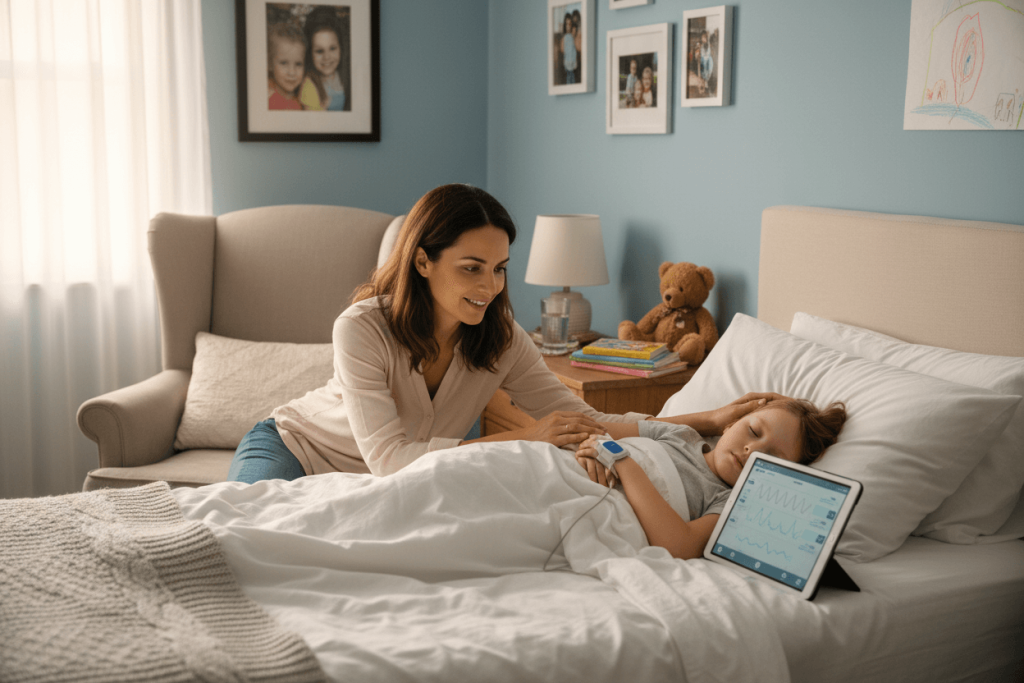
- Respiratory Support: A child may need frequent airway assessments, suctioning, or ventilator adjustments.
- Seizure & Feeding Management: Others may require seizure monitoring or careful feeding tube management.
When skilled nurses provide these interventions consistently, the child’s condition stays stable, and emergencies become far less common.
Key Ways GAPP Reduces Hospital Visits
Families enrolled in GAPP often notice that their child’s care becomes more predictable. Early detection and immediate action at home keep routine issues from escalating. Here is how skilled nursing prevents emergency trips:
1. Ongoing Vital Sign Monitoring
Skilled nurses evaluate breathing patterns, heart rate, oxygen levels, feeding tolerance, and neurological changes throughout the day. Catching even subtle shifts helps prevent sudden declines. When a nurse notices a change, they adjust care or contact the physician before it becomes severe.
2. Medication Management and Timely Administration
Hospital visits often occur when medication is missed or given incorrectly. GAPP nurses ensure medications are administered on schedule and monitor exactly how the child responds. They also track side effects and coordinate adjustments directly with the healthcare team.
3. Medical Equipment Expertise
Children who rely on ventilators, tracheostomies, G-tubes, oxygen therapy, or suction machines need precise handling of equipment. Nurses maintain settings, prevent infections, and troubleshoot mechanical issues that could otherwise lead to an ER emergency.
4. Prevention of Respiratory Decline
Respiratory complications are one of the most common causes of pediatric hospital visits. GAPP nurses help reduce these risks through airway clearance techniques, routine suctioning, hydration management, and early recognition of respiratory distress.
5. Infection Control and Wound Care
Many medically fragile children have central lines, feeding tubes, or surgical sites that require strict hygiene. Skilled nursing prevents infections that might otherwise require aggressive hospital treatment.
How Medicaid Home Nursing Supports Parents
Medicaid-funded nursing allows Georgia families to receive care without financial barriers. Since GAPP covers skilled nursing at no cost to eligible families, children gain continuous access to clinical support without the family worrying about medical expenses.
Parents also experience relief knowing a trained professional is watching over their child. This reduces caregiver burnout and lowers the chance that a tired or overwhelmed parent might miss early signs of an issue. Medicaid home nursing strengthens:
- Consistency: Nurses follow a structured care plan tailored to the child’s condition.
- Stability: Children remain in a familiar environment, which reduces stress and supports better health outcomes.
- Communication: Nurses update families daily and offer guidance that helps parents make informed decisions.
Why GAPP Is Effective at Preventing Emergencies
The strength of the program lies in its ability to replace reactive care with proactive oversight.
Instead of treating emergencies after they occur, GAPP aims to prevent them entirely. A child who once needed multiple ER visits each month may see those episodes decrease dramatically once a skilled nurse becomes part of their routine. Families gain confidence knowing they have expert support at home that matches the level of care typically available in a hospital.
How SLB In-Home Care Helps You Maximize GAPP Benefits
Families often look for a provider that understands both the clinical and emotional needs of medically fragile children. SLB In-Home Care brings experienced pediatric nurses who follow GAPP guidelines carefully while creating a nurturing environment for your child.
Our team focuses on timely interventions, equipment safety, infection prevention, and ongoing communication with your physicians. We also handle the entire GAPP application process, helping with documentation to ensure your care begins smoothly.
Are you ready for more stability and peace of mind? Contact SLB In-Home Care today to learn how we can support your child’s health and reduce your trips to the hospital.