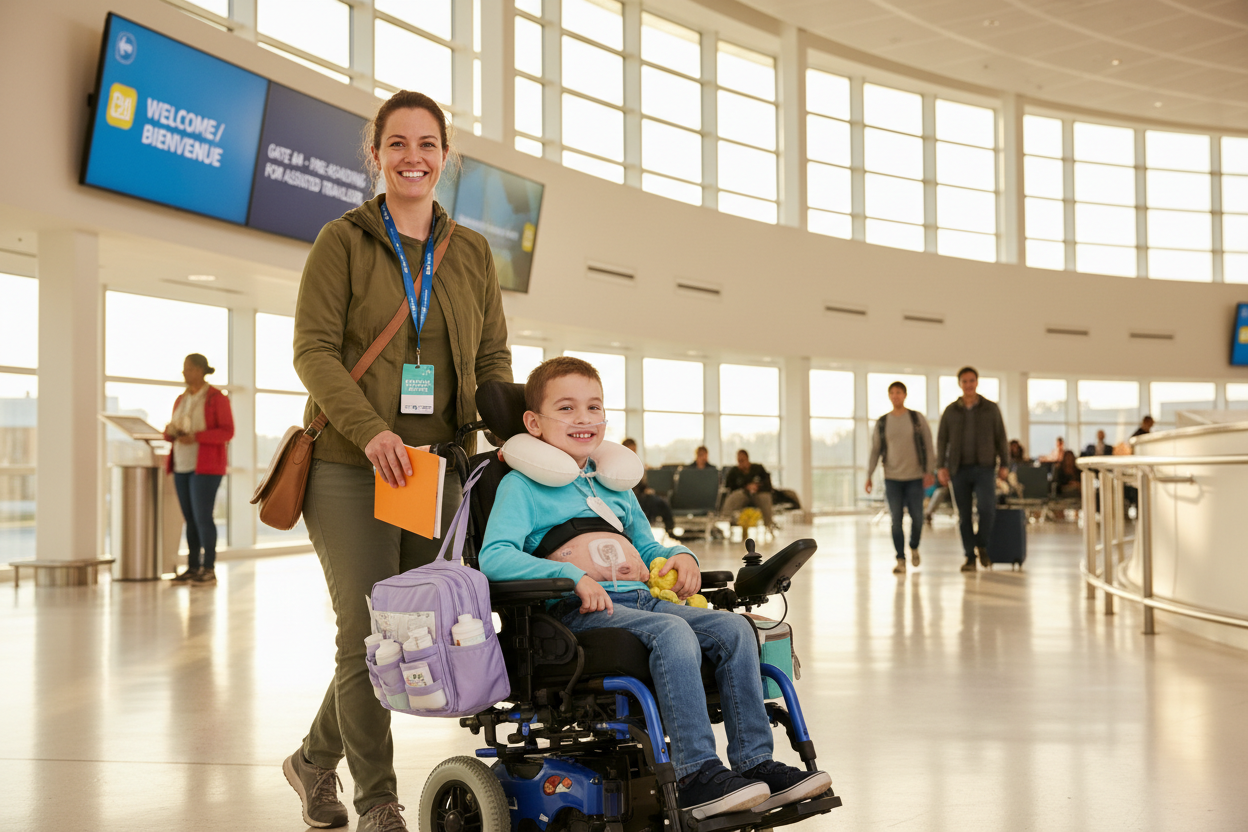
Family vacations look different when a child has complex medical needs, but they are still possible and deeply meaningful. In 2026, the world is more inclusive than ever, with smarter technology and better infrastructure designed to support every traveler.
Traveling with a medically fragile child is less about spontaneity and more about strategic preparation. When medical needs are anticipated, travel becomes an extension of home care rather than a disruption. Here is how to navigate the 2026 travel landscape with confidence.
Rethinking Travel with Medical Complexity
Travel doesn’t mean compromising care. Modern airlines and destinations increasingly recognize the needs of children who rely on technology—be it ventilators, feeding pumps, or skilled nursing. By approaching travel as a coordinated care experience, you can focus on what matters most: making memories.
Planning for Medical Stability: The 2026 Digital Edge
Early planning remains the foundation of a successful trip. In 2026, this involves more than just a paper folder; it’s about a digital-first approach.
-
Pre-Travel Consultation: Schedule an appointment with your child’s physician 4–6 weeks before departure. Discuss medication adjustments for time zones and “just-in-case” protocols.
-
Digital Health Passports: Many healthcare systems now offer “Travel Sync” features. Ensure your child’s latest medical summary, DNR/DNI orders, and prescriptions are uploaded to a secure, cloud-based platform or a Smart Medical ID.
-
NFC & QR IDs: Equip your child with a wearable (bracelet or tag) that uses NFC or QR codes. In an emergency, any first responder can scan the tag to instantly see the child’s history and your contact info.
Traveling With Medical Equipment Safely
Traveling with “tech” requires organization and redundancy. In 2026, new battery standards and portable power solutions have made this much easier.
-
Battery Power (The 150% Rule): Most airlines now require your equipment to have enough battery life for 150% of the flight duration to account for tarmac delays.
-
FAA-Approved Smart Hubs: Use a high-capacity, FAA-cleared power station. Many 2026 models feature medical-grade outlets specifically for sensitive equipment like ventilators.
-
The “Go-Bag” Essentials: Never check life-sustaining equipment. Keep primary devices, chargers, and a 24-hour supply of feeds or catheters in your carry-on.
-
Labeling: Use waterproof, high-visibility tags. Include the device’s power requirements and a “Return to Owner” QR code.
Airline Tips for Special Needs Families
Air travel is manageable with clear communication. Most major carriers in 2026 have dedicated Accessibility Desks.
Pro-Tip: Many airports now offer “Rehearsal Days” where families can practice the TSA and boarding process in a low-stress environment before their actual flight.
-
The TSA Notification Card: Download the latest TSA Disability Notification Card to communicate needs silently and quickly at security.
-
Priority Boarding: Always request this. It gives you the time to set up equipment and get your child settled without the rush of a crowded cabin.
-
Direct is Best: Whenever possible, choose direct flights to reduce the physical toll of transitions and the risk of equipment being mishandled during transfers.
Coordinating GAPP Nursing and Continuity of Care
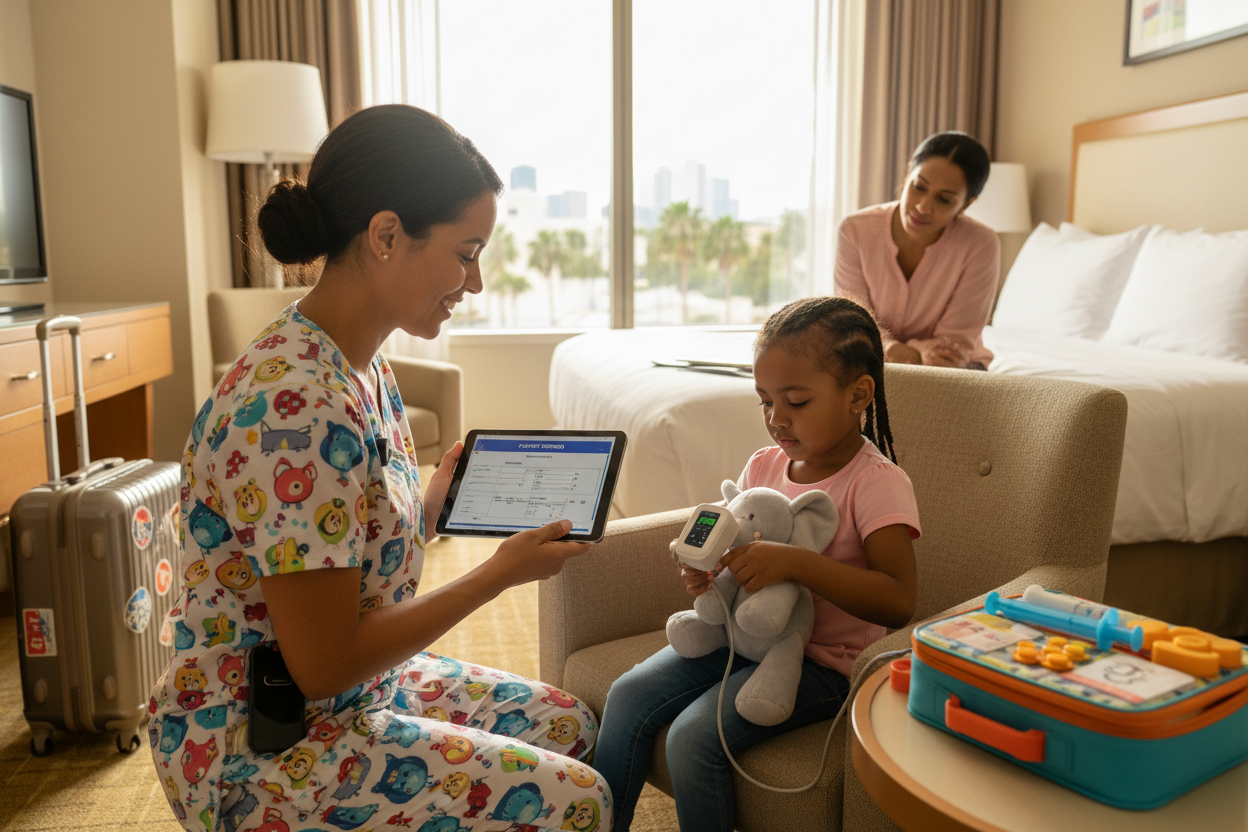
For families enrolled in the Georgia Pediatric Program (GAPP), nursing care is the heartbeat of your daily routine. While GAPP nursing doesn’t always travel across state lines automatically, you can still maintain continuity:
-
Start Early: Discuss travel with your home health agency at least 60 days out.
-
Remote Backups: In 2026, many families use Telehealth Nursing Support as a bridge. While they can’t provide hands-on care, having a “virtual set of eyes” from your regular team can offer peace of mind.
-
Local Networking: Ask your agency if they have sister locations or recommended partners in your destination city for emergency staffing.
Choosing the Right Destination
Accessible travel starts with the right “Home Base.”
-
Proximity to Care: Choose locations within 20 minutes of a Pediatric Level I or II Trauma Center.
-
Medical-Friendly Rentals: Look for “certified accessible” rentals that offer roll-in showers, reinforced electrical circuits for equipment, and medical-grade refrigeration.
-
Sensory-Friendly Zones: Many theme parks and resorts now offer “Quiet Rooms” and sensory-guided maps to help manage overstimulation.
How SLB In-Home Care Supports Your Journey
At SLB In-Home Care, we believe family life shouldn’t be paused by a diagnosis. We work alongside our families to ensure their child is medically stable and ready for the adventure. From coordinating care transitions to helping you build a “travel-ready” care plan, we are here to empower you to explore 2026 and beyond with confidence.