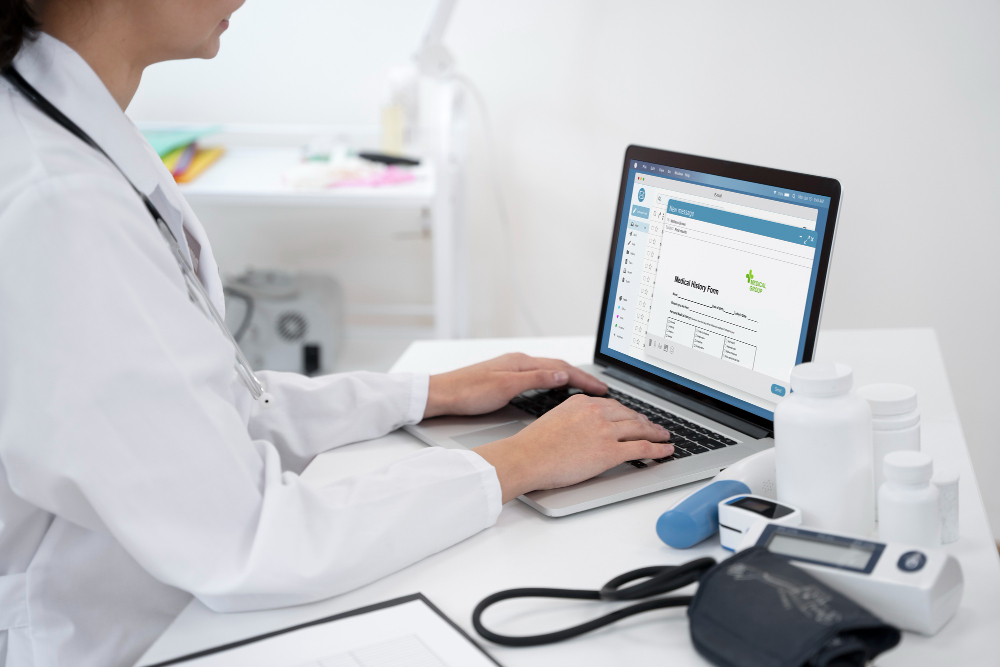
When a child depends on medical care beyond routine pediatric visits, delays in support can place real strain on families. One of the most common reasons GAPP applications slow down in Georgia is not eligibility, but incomplete or unclear medical documentation. Approval decisions rely heavily on how well a child’s condition and daily medical needs are presented on paper. Preparing records thoughtfully can shorten review timelines and reduce back and forth requests from Medicaid.
Organized documentation also helps families feel more in control during a process that can otherwise feel overwhelming. Knowing what to gather, how to structure it, and why each piece matters makes a meaningful difference in how smoothly a GAPP application moves forward.
Why Medical Documentation Is Central to GAPP Approval
GAPP is a medically driven program. Approval is based on proof that a child requires skilled nursing care in the home to remain safe and stable. Medicaid reviewers do not meet the child in person. Their decision depends entirely on medical records that describe diagnoses, treatments, equipment use, and daily care needs.
Clear documentation helps reviewers understand the full scope of medical complexity. Vague notes or missing reports often lead to delays because Medicaid must request clarification. Strong records reduce uncertainty and help demonstrate medical necessity from the start.
Understanding What Medicaid Looks For
Before gathering paperwork, it helps to understand how Georgia Medicaid evaluates GAPP applications. Reviewers focus on whether the child is medically fragile and requires skilled nursing interventions rather than routine caregiving. They look for evidence of ongoing clinical needs that cannot be safely managed without a licensed nurse.
Documentation should show consistency across providers. Diagnoses, care plans, and physician notes should align and reinforce one another. Conflicting information can slow approval even if the child clearly qualifies.
Step 1: Gather Core Medical Records
Start with the foundation. These records establish the child’s medical history and current condition.
Essential documents include recent hospital discharge summaries, specialist reports, and diagnostic test results. These records should clearly list primary and secondary diagnoses, recent complications, and current treatment plans. Including the most up to date information is critical, as older records may not reflect the child’s present needs.
Ensure that all documents are legible and complete. Missing pages or unreadable scans often trigger follow up requests.
Step 2: Obtain Detailed Physician Orders
Physician involvement is central to medical documentation for GAPP. Orders should clearly state the need for skilled nursing and outline specific tasks that require clinical expertise.
Orders may include medication administration, respiratory treatments, feeding tube management, seizure monitoring, or equipment oversight. The more specific these orders are, the easier it is for Medicaid to understand why nursing care is necessary.
Generic statements such as requires assistance at home are usually insufficient. Clear, medically grounded language supports faster decision making.
Step 3: Secure a Comprehensive Plan of Care
The plan of care ties all medical information together. It describes how nursing services will be delivered on a daily basis and why they are required. This document should reflect the child’s real routine, including frequency of interventions, monitoring needs, and response to treatments.
Consistency matters. The plan of care should align with physician orders and clinical notes. Discrepancies can raise questions during review and slow the approval process.
Step 4: Include Recent Clinical Notes and Progress Reports
Progress notes from nurses, therapists, or home health providers help demonstrate how care is being delivered in practice. These notes show patterns over time, such as recurring symptoms, response to interventions, and changes in condition.
Including recent notes supports the case for long term pediatric nursing by showing that medical needs are ongoing rather than temporary. They also help Medicaid reviewers see how skilled care prevents complications and hospital visits.
Step 5: Document Medical Equipment and Technology Use
Children who qualify for GAPP often rely on medical equipment that requires skilled oversight. Documentation should clearly list all devices used in the home and explain why they are medically necessary.
This may include ventilators, oxygen support, feeding pumps, suction machines, or monitoring devices. Notes should describe how frequently equipment is used and what risks exist if it is not managed properly. This reinforces the need for a trained nurse rather than unskilled assistance.
Step 6: Prepare Supporting Letters When Needed
In some cases, letters of medical necessity from specialists can strengthen an application. These letters provide professional insight into why skilled nursing is essential and what could happen without it.
Letters should be concise but specific, addressing the child’s condition and daily care requirements. When included thoughtfully, they can help resolve questions before they arise.
GAPP Paperwork Checklist for Families
A structured checklist helps ensure nothing is overlooked. While each child’s situation is unique, most applications benefit from the following items:
| Document Type | Purpose |
|---|---|
| Hospital discharge summaries | Establish recent medical history and diagnoses |
| Physician orders | Define skilled nursing tasks |
| Plan of care | Outline daily nursing needs |
| Clinical progress notes | Show ongoing medical necessity |
| Equipment documentation | Demonstrate technology dependent care |
| Specialist letters | Reinforce complex medical needs |
Reviewing this checklist before submission can prevent avoidable delays.
Common Documentation Mistakes That Slow Approval
Several issues frequently delay GAPP approvals. Submitting outdated records, missing signatures, or vague physician language are common problems. Inconsistent information across documents can also raise concerns.
Another frequent issue is under describing daily care needs. Families may normalize complex routines and fail to capture how medically involved each day truly is. Clear documentation should reflect the full picture, not just major events.
How SLB In Home Care Helps Streamline the Process
SLB In Home Care works closely with families to organize and review medical documentation before submission. Their experience with GAPP paperwork allows them to identify gaps early and coordinate with physicians to ensure records meet Medicaid expectations.
By guiding families through each step, SLB In Home Care helps reduce processing delays and supports a smoother approval experience. This proactive approach allows families to focus on their child while paperwork moves forward efficiently.
Preparing medical records thoughtfully is one of the most effective ways to speed up GAPP approval. Clear, consistent documentation not only supports eligibility but also lays the foundation for high quality long term nursing care at home.