

Caring for a medically fragile child at home requires more than routine attention. It involves a carefully structured daily care routine that supports medical stability, emotional comfort, and family coordination. Every task, from medication timing to monitoring vital signs, plays a role in maintaining the child’s health outside a clinical environment. Families often find themselves balancing medical responsibility with emotional care, making consistency one of the most important elements in home-based support.
A well-organized system built around a home care schedule helps reduce uncertainty and improves response time during health changes. When routines are predictable, children also experience a sense of stability, which can positively influence recovery and overall well-being. This structure becomes even more important for families enrolled in support systems like the GAPP program, where professional and family-led care work together.
Understanding the Needs of Medically Fragile Children at Home
A medically fragile child often has complex health conditions that require ongoing observation and specialized attention. These may include respiratory support needs, neurological conditions, feeding assistance, or post-surgical care requirements. Unlike general childcare, each action must be aligned with medical instructions provided by healthcare professionals.
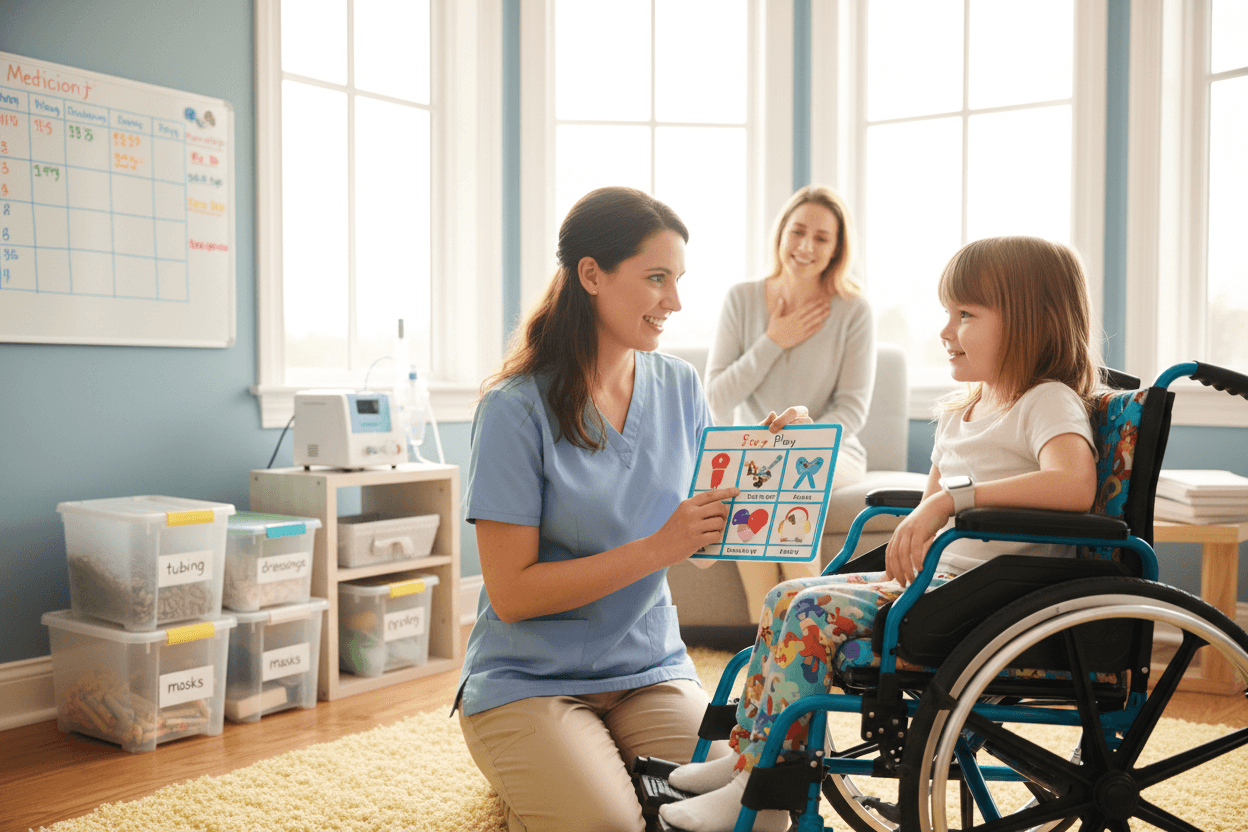
The home environment becomes an extension of clinical care, where every detail matters. Equipment like feeding tubes, oxygen support, or monitoring devices may be part of daily life. In such situations, maintaining consistency is not optional—it is essential for safety and stability. Families often rely on structured guidance and pediatric nursing support to ensure proper care delivery.
Organizations such as SLB In-Home Care often help families bridge the gap between hospital care and home management by offering trained caregivers who understand these medical complexities. This kind of support helps families feel more confident in managing daily responsibilities.
Building a Reliable Daily Care Routine
A strong daily care routine is the foundation of effective home care. It creates a predictable flow of activities that ensures nothing important is missed. Each day typically begins with assessments of the child’s condition, followed by scheduled medical tasks and supportive care activities.
Consistency in timing is important. Medication schedules, feeding times, and therapy sessions should remain as regular as possible. This helps maintain physiological balance and reduces stress for the child. Parents and caregivers often create written charts or digital schedules to track each task clearly.
A structured routine also supports communication between family members and caregivers. When everyone follows the same plan, confusion is reduced and care becomes more coordinated. Over time, this structure becomes a natural part of family life.
Morning Care Essentials and Health Monitoring
Morning routines set the tone for the entire day. For a medically fragile child, this period usually includes vital checks, hygiene care, and medication administration. Observing breathing patterns, temperature, and alertness levels helps caregivers identify early changes in condition.
Personal hygiene tasks such as bathing, oral care, and skin checks are also important. These not only support physical comfort but also help prevent infections and skin complications. Depending on the child’s condition, these tasks may require assistance or specialized techniques.
Medication administration is another critical part of the morning schedule. Accuracy in dosage and timing is essential. Many families use checklists to ensure nothing is missed, especially when multiple medications are involved. This level of structure reduces risk and improves confidence in daily caregiving.
Midday Care, Feeding Support, and Continuous Observation
Midday care focuses on maintaining stability throughout the active hours of the day. For children with feeding difficulties, nutrition management becomes a key priority. Whether through oral feeding, tube feeding, or specialized dietary plans, consistency ensures proper growth and energy levels.
Observation continues during this period, as changes in behavior or physical condition can signal medical concerns. Caregivers often monitor hydration levels, comfort, and responsiveness. Any unusual signs are documented and, if necessary, reported to healthcare professionals. Therapy sessions, such as physical or occupational therapy, are often scheduled during midday hours. These activities support mobility, muscle strength, and developmental progress. A well-managed home care schedule ensures these sessions are not disrupted.
Evening Routine and Stabilization for Rest
Evening care is focused on calming the child and preparing them for restful sleep. This period includes final medication doses, feeding routines, and hygiene care. Reducing stimulation helps create a peaceful environment that supports better sleep quality.
Positioning and comfort checks are especially important for children with mobility limitations. Adjusting bedding, monitoring breathing support devices, and ensuring safe sleeping positions are all part of the process. These steps reduce risks during overnight hours when supervision is limited.
Families often use this time to review the day’s events, update care logs, and prepare for the next day’s routine. This reflection helps improve consistency and identify areas where adjustments may be needed.
Role of Pediatric Nursing Support in Home Care
Pediatric nursing support plays a central role in managing medically complex conditions at home. Trained nurses provide medical expertise that complements family care, ensuring that procedures are done correctly and safely. Their presence also reduces stress for parents who may feel overwhelmed by clinical responsibilities.

These professionals assist with medication administration, wound care, feeding support, and monitoring of vital signs. They also guide families on how to handle emergencies and recognize warning signs early. This guidance is especially important for first-time caregivers.
Many families rely on structured programs like the GAPP program, which connects them with qualified nursing professionals. This integration ensures continuity between hospital care and home-based support, improving outcomes for the child.
Family Care Plan and Coordination of Responsibilities
A well-designed family care plan helps distribute responsibilities among caregivers. Instead of one person handling all tasks, duties are shared based on availability and skill level. This reduces burnout and ensures continuous care coverage.
The care plan typically includes medication schedules, feeding instructions, emergency contacts, and therapy routines. It acts as a reference point for everyone involved in the child’s care. Clear documentation prevents confusion and improves response time during urgent situations. Communication within the family is essential. Regular updates and discussions help maintain alignment, especially when care needs change. A coordinated approach strengthens the overall effectiveness of home-based medical care.
Integrating GAPP Program Support into Daily Care
The GAPP program provides structured assistance for families caring for medically fragile children at home. It connects families with trained caregivers and nursing professionals who support daily medical needs. This reduces the burden on parents while ensuring clinical-level care at home. Integration of such programs into daily routines improves consistency and safety. Caregivers follow established care plans while also adapting to the child’s changing needs. This balance between structure and flexibility is essential in long-term care situations.

Families often find that combining professional support with a personalized home care schedule leads to better outcomes. It creates a system where medical care and family involvement work together seamlessly.
Creating a Safe and Supportive Home Environment
Safety is a constant priority in home care for medically fragile children. The environment must be organized to reduce risks and support easy access to medical equipment. Cleanliness, proper storage of supplies, and safe mobility pathways all contribute to better care conditions.Emotional support is equally important. Children benefit from familiar surroundings and consistent caregivers. This emotional stability can positively influence recovery and development. Families play a key role in creating a comforting atmosphere that supports both physical and emotional needs.
Support systems like SLB In-Home Care often guide families in setting up safe home environments, ensuring that both medical and emotional aspects are addressed effectively.