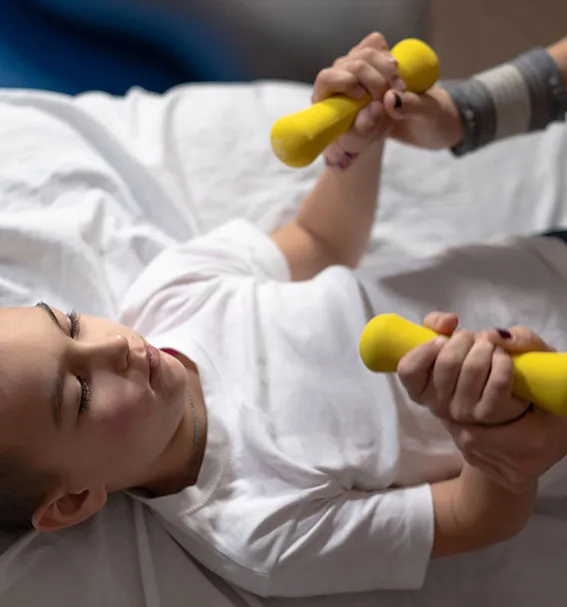
Cerebral palsy care, at home in College Park and across Georgia

Cerebral Palsy Care at Home Through Georgia's GAPP Program

Skilled nursing and personal care for children with cerebral palsy, delivered in the comfort of home, often at no out-of-pocket cost through the Georgia Pediatric Program (GAPP).
Licensed nurses, no cost through GAPP, serving families across Georgia and headquartered right in College Park.

Cerebral palsy care is the ongoing medical and personal support a child with CP needs day to day: things like seizure and medication monitoring, feeding assistance, mobility support, and therapy follow-through. In Georgia, families of children under 21 with a documented CP diagnosis can often get this care at home, at no cost, through Medicaid's Georgia Pediatric Program (GAPP). SLB In-Home Care coordinates that care from our College Park office for families throughout the state.

90%

eligible families don’t know GAPP exists

$0

out-of-pocket cost for approved care

30–60

days, typical approval window

2,000+

Georgia families served
Understanding the condition

What is cerebral palsy?

Cerebral palsy (CP) is a group of lifelong conditions that affect a child’s movement, muscle tone, and posture, caused by atypical brain development or injury before, during, or shortly after birth. According to the CDC’s Autism and Developmental Disabilities Monitoring Network, about 1 in 345 children in the U.S. is identified with cerebral palsy, making it the most common motor disability of childhood, and spastic CP, marked by stiff, tight muscles, accounts for the large majority of cases.
CP itself isn’t progressive, meaning it won’t get worse on its own. But the day-to-day support a child needs can still be extensive, from help with mobility and feeding to managing seizures, communication, and frequent therapy. That ongoing, hands-on support is exactly where in-home cerebral palsy care makes the biggest difference for a family.

Signs your family may benefit from cerebral palsy care support

Services for cerebral palsy

Cerebral palsy care services we provide at home

A GAPP-funded care plan can combine skilled nursing with non-medical personal care, so your child gets both the clinical support and the everyday help they need under one coordinated plan.
Skilled nursing

Complex medical care from an RN or LPN

Medication administration and seizure monitoring, tube feeding and nutrition support, tracheostomy or ventilator care where needed, wound and positioning care, vital sign monitoring, and coordination with your child’s physical, occupational, and speech therapists. This is the core of cerebral palsy complex care, the kind of support that would otherwise mean a hospital stay or a facility placement.
Personal care

Everyday support with daily living

Bathing, grooming, and dressing; help with mobility, transfers, and positioning; feeding assistance; and safety supervision throughout the day. These are the caregiver duties that add up fastest for parents, and they’re the ones a personal care aide can take off your plate.
Care planning

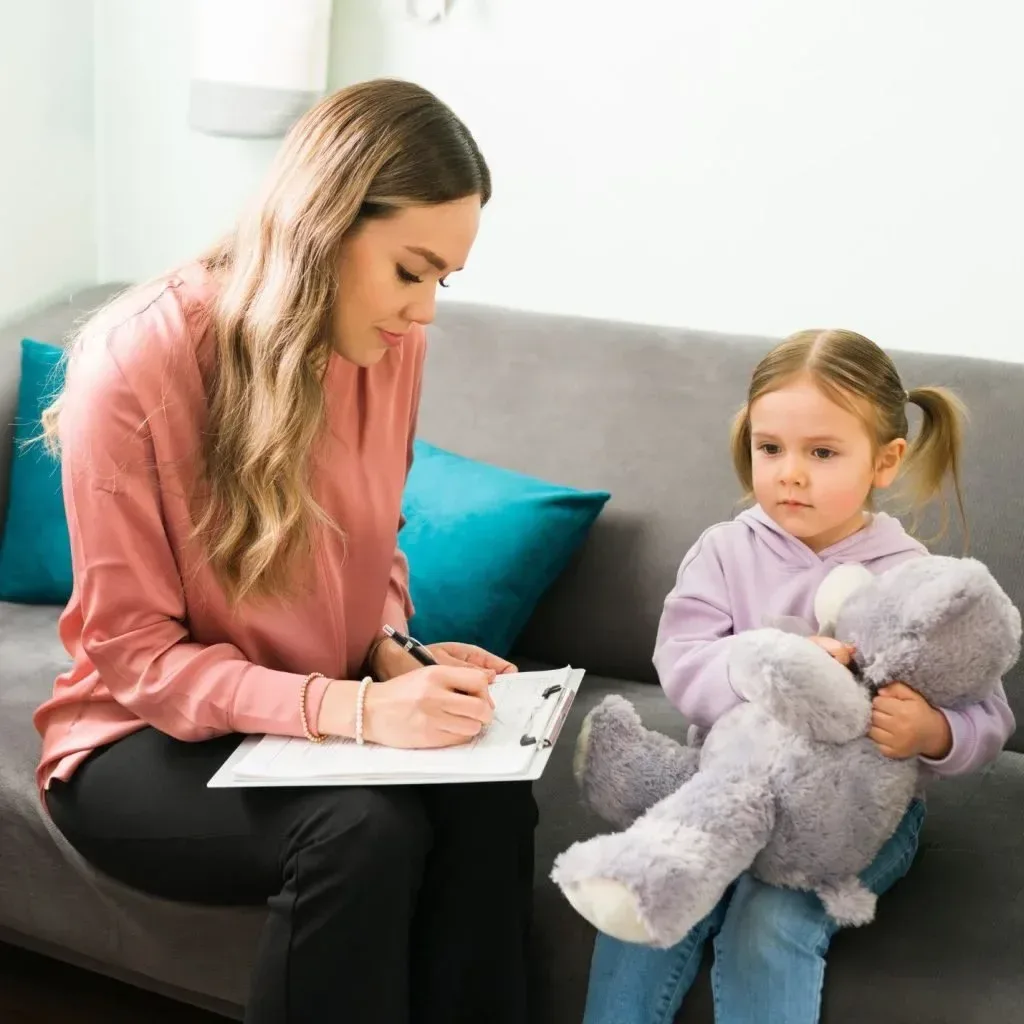
A cerebral palsy care plan built around your child

Every child’s plan is different. Working with your child’s physician, our team builds a written care plan that covers medication schedules, skilled nursing and personal care hours, therapy goals, and emergency protocols. We review and adjust it as your child’s needs change.
A common question

In-home cerebral palsy care
vs.
care facilities and care homes

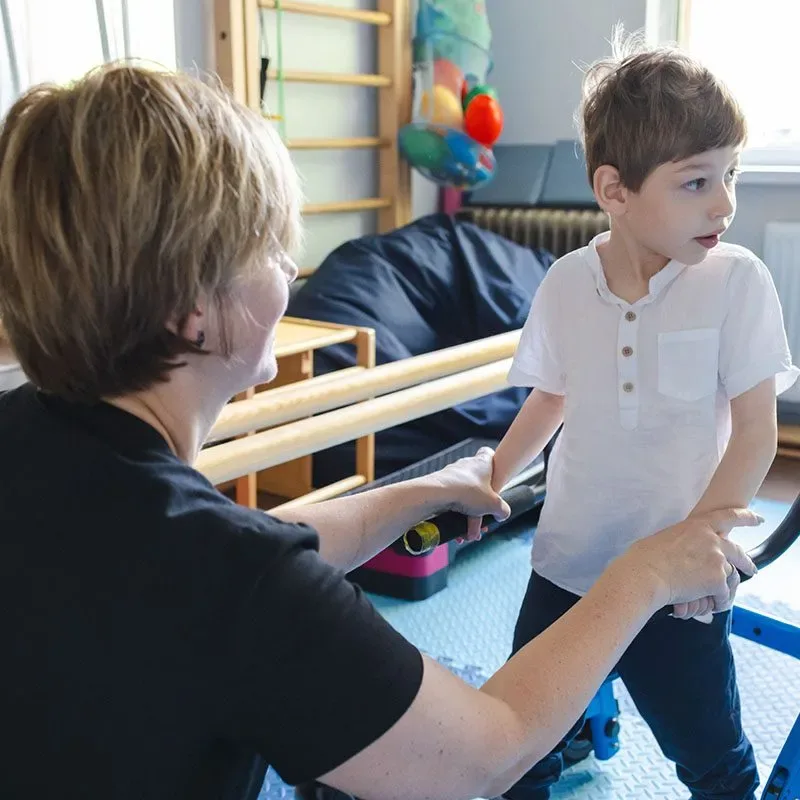
Many families start their search with terms like “cerebral palsy care facilities” or “care homes” because they assume dedicated placement is the only option. In Georgia, GAPP was actually built to do the opposite: keep your child at home, surrounded by family, while still receiving skilled nursing and personal care.

In-home care through GAPP

Facility or residential care

If you’ve also been searching for cerebral palsy daycare, note that some medically fragile daycare supports exist within Georgia’s broader pediatric Medicaid programs for younger children. Ask your care coordinator whether that applies to your child.
You need care too

Cerebral palsy caregiver support & respite care

If you’re managing medication timing, transfers and lifting, seizure watches, therapy schedules, and school communication largely on your own, you already know how much a cerebral palsy caregiver’s daily duties can add up to. It’s normal to reach a point where you need real relief, not just advice.
Respite care means scheduled time such as a few hours, an overnight shift, or a standing weekly block. During that time, a nurse or aide covers your child’s care so you can rest, work, or simply catch up. For GAPP-approved families, this is typically built directly into the care plan rather than billed as a separate service.
Beyond the home

Support for cerebral palsy childcare, daycare & school

A cerebral palsy diagnosis doesn’t have to mean stepping away from childcare or school. Depending on your child’s care plan, skilled nursing support can often travel with them into a daycare or classroom setting, and your care coordinator can help arrange the accommodations that make that possible, from documented feeding and seizure-action plans to communication with teachers and childcare staff about mobility equipment and daily routines.
If your child is currently in a childcare program, bring their enrollment details to your first assessment call so we can talk through what coordination would look like.
Who qualifies

Who qualifies for free cerebral palsy care in Georgia

Eligibility for GAPP is based on medical necessity, not a fixed diagnosis list, but cerebral palsy is one of the conditions most commonly approved.

Our process

Getting cerebral palsy home care started is easier than you think

01

Call Us

A 5-minute phone call to talk through your child’s needs.
02

Assessment

A nurse assesses your child for state approval.
03

Approval

Approvals typically take 30–60 days.
04

Start Care

Choose your nurses and begin your child’s care plan.
“Before GAPP, it was just me, lifting, feeding, watching for seizures, all day, every day. Having a nurse in our home twice a week gave me back enough sleep to actually be present for my other kids.”
Sample quote. Replace with a real, consented family testimonial before publishing.

SLB In-Home Care, 4751 Best Road, Suite #309, College Park, GA 30337

Local to College Park, serving all of Georgia

Cerebral palsy home care near you in Georgia

SLB In-Home Care is headquartered in College Park, Georgia, minutes from Hartsfield-Jackson Atlanta International Airport, in the Fulton and Clayton County corner of the Atlanta metro. Because GAPP nurses and aides travel to your home rather than the other way around, coverage isn’t limited to one neighborhood: our care coordinators work with families throughout the state, with a strong day-to-day presence in College Park and the surrounding communities.

Families we regularly serve in and around:

Being based locally also means our team knows the Georgia Medicaid and Katie Beckett application process firsthand, and regularly coordinates with area pediatric providers, including Children’s Healthcare of Atlanta, on care plans.
Common questions

Cerebral palsy care
frequently asked questions

Is cerebral palsy care really free in Georgia?
For families who qualify through the Georgia Pediatric Program (GAPP), skilled nursing and personal care for cerebral palsy are provided at no out-of-pocket cost. Your child generally needs to be a Georgia Medicaid recipient (including through Katie Beckett) and have a physician-documented need for skilled or personal care at home.
Day-to-day care usually covers positioning and mobility support, help with feeding or tube feeding, medication and seizure management, therapy follow-through, and communication support. Most families manage a mix of this themselves and lean on licensed nurses or personal care aides for the medical and physically demanding parts, which is exactly what an in-home cerebral palsy care plan is built around.
A care plan lays out your child’s diagnosis, medication schedule, therapy goals, skilled nursing tasks, personal care hours, and emergency protocols. It’s built with your child’s physician and reviewed regularly, so it changes as your child’s needs change.
GAPP is designed around in-home care rather than facility placement, so most families use it to keep their child at home with a licensed nurse or aide instead of searching for a care facility or care home. Some medically fragile daycare supports exist within Georgia’s broader pediatric Medicaid programs for younger children. Ask your care coordinator whether that applies to your situation.
In many cases, yes. If your child’s care plan calls for skilled nursing during school or childcare hours, that support can often travel with them, and your care team can help coordinate accommodations with teachers and daycare staff.
Respite care means scheduled time such as a few hours, an overnight shift, or a regular weekly block. During that time, a nurse or aide covers your child’s care so you can rest, work, or take care of other things. For GAPP-approved families, this is typically built into the same care plan rather than billed as a separate service.
No, SLB In-Home Care specializes in in-home skilled nursing and personal care, not housing placement. If your family also needs housing support, ask your care coordinator; they can often point you toward state and community housing resources for families raising a child with a disability.
Because GAPP nurses and aides come to your home, coverage isn’t limited to one neighborhood. SLB In-Home Care serves families throughout Georgia from its College Park office. Start with a short qualification check, and a local care coordinator will follow up directly.
Yes. Our office is at 4751 Best Road, Suite #309, in College Park, close to Hartsfield-Jackson Atlanta International Airport. Our nurses and care coordinators are based locally, and we serve families throughout Georgia from there.
Both. We’re headquartered in College Park and have a strong local presence there, but GAPP is a statewide program, so we coordinate in-home cerebral palsy care for families anywhere in Georgia.

The call takes five minutes. The relief can last years.

Disclaimer: All services are based on medical necessity review and state approval. Families may choose any licensed GAPP provider. This page is provided for general information and does not replace medical advice from your child’s physician.
Scroll to Top

Thank You!

Your request has been received. Please expect a call or text from our company numbers shortly. We look forward to speaking with your family.