
Pediatric Hydrocephalus Nursing Care at Home in Georgia
What Our Nurses Provide
- Head circumference tracking & neurological assessments
- Shunt site monitoring for infection or malfunction
- Feeding, nutrition & positioning support
- Medication management & caregiver education
- Overnight & respite nursing shifts
- $0 out of pocket for qualifying families
0-21
$0
30–60
RN & LPN
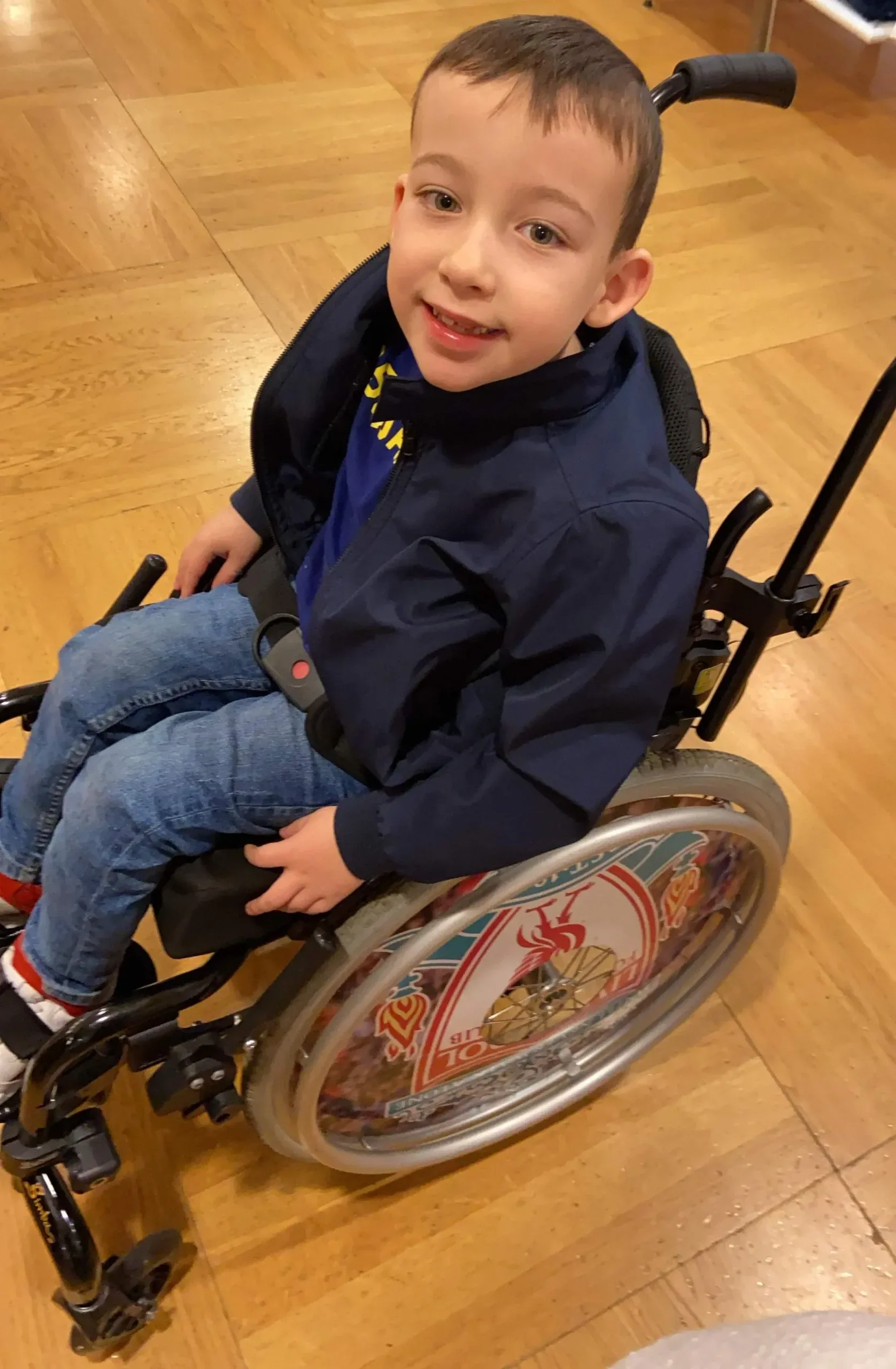
What Is Hydrocephalus?
Common Treatment Options
- Ventriculoperitoneal (VP) shunt placement
- Endoscopic third ventriculostomy (ETV)
- Ongoing shunt monitoring & revisions
- Coordinated care with neurosurgery team

Signs and Symptoms Our Nurses Watch For
- A bulging, tense, or full soft spot (fontanelle) in infants
- A faster than expected increase in head circumference
- Downward eye deviation, sometimes called the “sunsetting” sign
- Repeated vomiting or a noticeable change in feeding
- A high pitched cry, unusual irritability, or excessive sleepiness
- Swelling, redness, or tenderness along the shunt tract
- Fever, seizures, or developmental delays
Call 911 or go to the nearest emergency room now if your child with a shunt has:
- Repeated vomiting, a severe or worsening headache, or unusual sleepiness, or is hard to wake
- A seizure, sudden eye changes (including downward “sunsetting” eyes), or new trouble with vision
- A bulging, tense soft spot in an infant, or a head that is growing quickly
- Fever with redness, swelling, or fluid along the shunt tract
Shunt malfunction can become life threatening within hours. Do not wait for a nurse visit or an office callback. After emergency care has started, contact your child’s neurosurgeon. This page is general information and does not replace medical advice; see our provider disclaimer.
Hydrocephalus Nursing Care
Services
We Provide at Home
Hydrocephalus Nursing Care Services
We Provide at Home
Head Circumference & Neuro Checks
Shunt Site
Monitoring
Shunt Site Monitoring
Medication Administration
Feeding & Nutrition Support
Safe Positioning & Handling
Care Coordination
Parent & Caregiver Education
Overnight & Respite Nursing

Newborn and Infant Hydrocephalus Care
How We Support Newborns
- Weight, length & growth tracking
- Early shunt complication monitoring
- Feeding support & positioning
- Parent education on normal vs. concerning signs
- Smooth transition from NICU to home

Key Positioning Principles
- Always follow neurosurgeon instructions
- Protect the shunt site from pressure
- Alternate positions to prevent flat spots
- Support head & neck during all handling
Positioning Guidance for Babies with Hydrocephalus
- Supporting the head and neck carefully during handling, feeding, and diaper changes
- Alternating head position during sleep and tummy time to prevent pressure areas and flat spots
- Keeping pressure off the shunt site and incision area
- Adjusting positioning as your child grows and reaches new developmental stages

Hydrocephalus Nutrition Management
- Breastfeeding support & education
- Monitoring for feeding related warning signs
- Growth chart tracking over time
- Dietitian coordination when needed
Feeding and Nutrition Support for Children with Hydrocephalus
- Watching for vomiting or poor feeding, which can be an early sign of a shunt problem
- Helping with positioning during breastfeeding or bottle feeding
- Tracking weight, length, and growth over time
- Coordinating with a pediatric dietitian if tube feeding or specialized nutrition becomes necessary
Building a Care Plan for Your Child with Hydrocephalus
Assessment
Goal Setting
Care Delivery
Ongoing Evaluation
A Family’s Story
Caring for a child with hydrocephalus can feel overwhelming, but no family has to face it alone. With skilled nursing care at home, your child receives close, attentive monitoring every day, while you gain confidence, real rest, and more precious moments together as a family.
- GAPP Provider Full support with Medicaid & Katie Beckett eligibility
- 30–60 Day Approvals Most families start care within two months
- $0 Out of Pocket When approved by Georgia Medicaid
- Statewide Coverage Serving College Park, Atlanta metro & all of Georgia
Our Headquarters
Why Georgia and College Park Families Choose SLB In-Home Care
How to Get Started
Call Us
Assessment
Approval
Start Care
Frequently Asked Questions
Can you breastfeed an infant with hydrocephalus?
What are the best head positions for a baby with hydrocephalus?
What does home nursing care for a child with hydrocephalus include?
What are the early signs of hydrocephalus or a shunt problem in an infant?
Watch for a bulging or tense soft spot, a fast increase in head size, downward eye deviation, repeated vomiting, unusual irritability or sleepiness, and swelling or redness along the shunt tract. If your child has a shunt and shows repeated vomiting, is hard to wake, has a seizure or has sudden eye changes, call 911 or go to the nearest emergency room right away. For milder or slowly developing signs, call your child’s neurosurgeon or doctor the same day.