
Why Medically Fragile Children Face Higher Readmission Risks
Children with complex medical needs often rely on feeding tubes, respiratory support, or frequent medications. Even minor disruptions in care routines can lead to complications such as infections, dehydration, or respiratory distress.After a hospital stay, recovery may still be in progress. Without structured child health management at home, warning signs can be missed. Symptoms that appear mild in the early stages can escalate quickly if not addressed promptly. This makes home based monitoring a key component of pediatric readmission prevention.Role of Consistent Home Nursing Support
GAPP care strategies focus on providing skilled nursing services inside the home. Nurses monitor vital signs, administer medications, and observe changes in behavior or physical condition that might signal emerging health concerns.Early detection is one of the most effective ways to prevent hospital stay reduction challenges. For example, a nurse may notice subtle breathing changes or feeding intolerance that could indicate a developing issue. Addressing these signs early allows families and physicians to intervene before hospitalization becomes necessary.Medication Accuracy and Scheduling
Medication errors are a common cause of pediatric readmissions. Incorrect dosages, missed medications, or timing inconsistencies can disrupt treatment plans and delay recovery.Home nursing support helps ensure medications are administered exactly as prescribed. Nurses also monitor for side effects or reactions that may require adjustments. Accurate medication routines reduce complications and support long term stability.Monitoring Nutrition and Hydration
For medically fragile children, nutrition plays a critical role in recovery and overall health. Feeding challenges or dehydration can lead to weakened immunity and increased vulnerability to infections.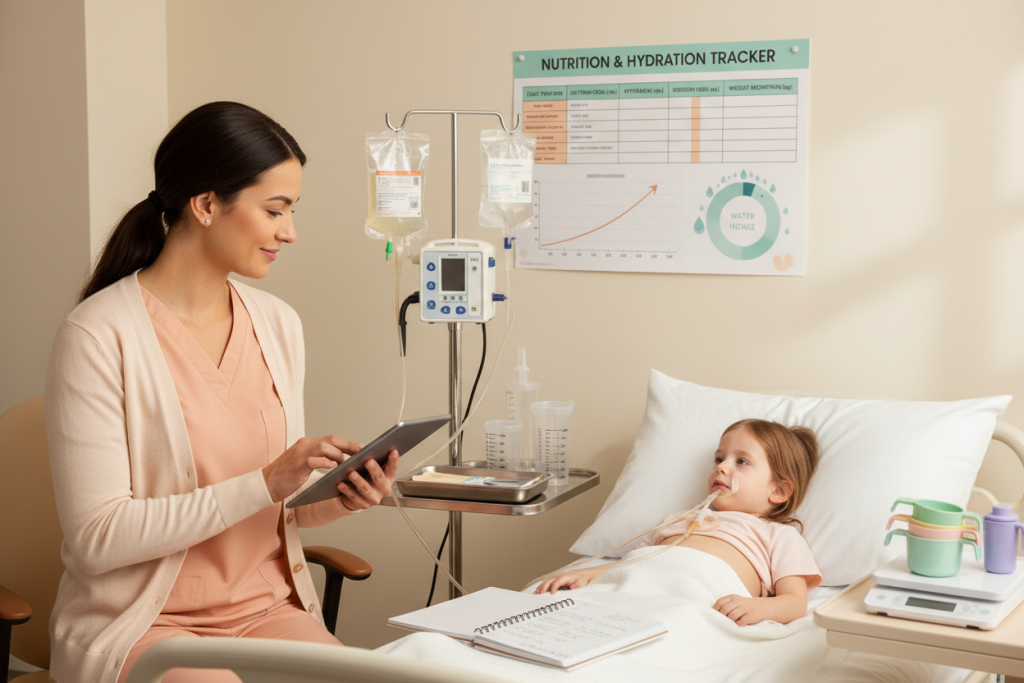 Nurses assist with feeding tube care, track intake, and monitor for signs of intolerance or discomfort. By maintaining proper nutrition and hydration, families can reduce the risk of complications that often result in readmission.