With Georgia's primary mobile care unit closing in 2026, families need reliable alternatives. Discover how to secure free pediatric nursing care in Georgia through the GAPP Medicaid program today.
How will your medically fragile child receive essential medical support when Georgia’s primary mobile care unit closes this summer? With the June 2026 closure of the Ronald McDonald Care Mobile at Children’s Healthcare of Atlanta, thousands of families are suddenly searching for reliable alternatives. Securing free pediatric nursing care georgia requires understanding the state’s Medicaid pathways before upcoming policy shifts disrupt coverage entirely.
Key Takeaways- The Ronald McDonald Care Mobile ceases operations on June 29, 2026.
- Georgia’s Section 1115 Medicaid waiver expires on December 31, 2026.
- The Georgia Pediatric Program (GAPP) provides full in home medical support.
- Coverage includes both complex medical interventions and daily personal assistance.
- Families can access care at no out of pocket cost through dedicated Medicaid providers.
The 2026 Shift in Free Pediatric Nursing Care Georgia
The pediatric healthcare system in Georgia is undergoing massive structural changes this year. According to the Children’s Healthcare of Atlanta website, the Ronald McDonald Care Mobile will close on June 29, 2026. This closure removes a major mobile care access point for families who rely on community based medical support. Parents must now find immediate alternatives to keep their children out of the hospital.The situation becomes more urgent as winter approaches. Data from the KFF State Medicaid Waiver Tracker shows that Georgia’s Section 1115 Medicaid waiver is set to expire on December 31, 2026. This expiration requires the state to recomply with federal Medicaid requirements. It also triggers potential benefit changes for
in home pediatric nursing. Families must act now to lock in their child’s care plan before state policy shifts occur.Understanding these deadlines is crucial for continuous medical support. The Georgia Pediatric Program (GAPP) remains the most stable alternative for affected families. This state program offers a direct pathway to comprehensive in home medical support.SLB
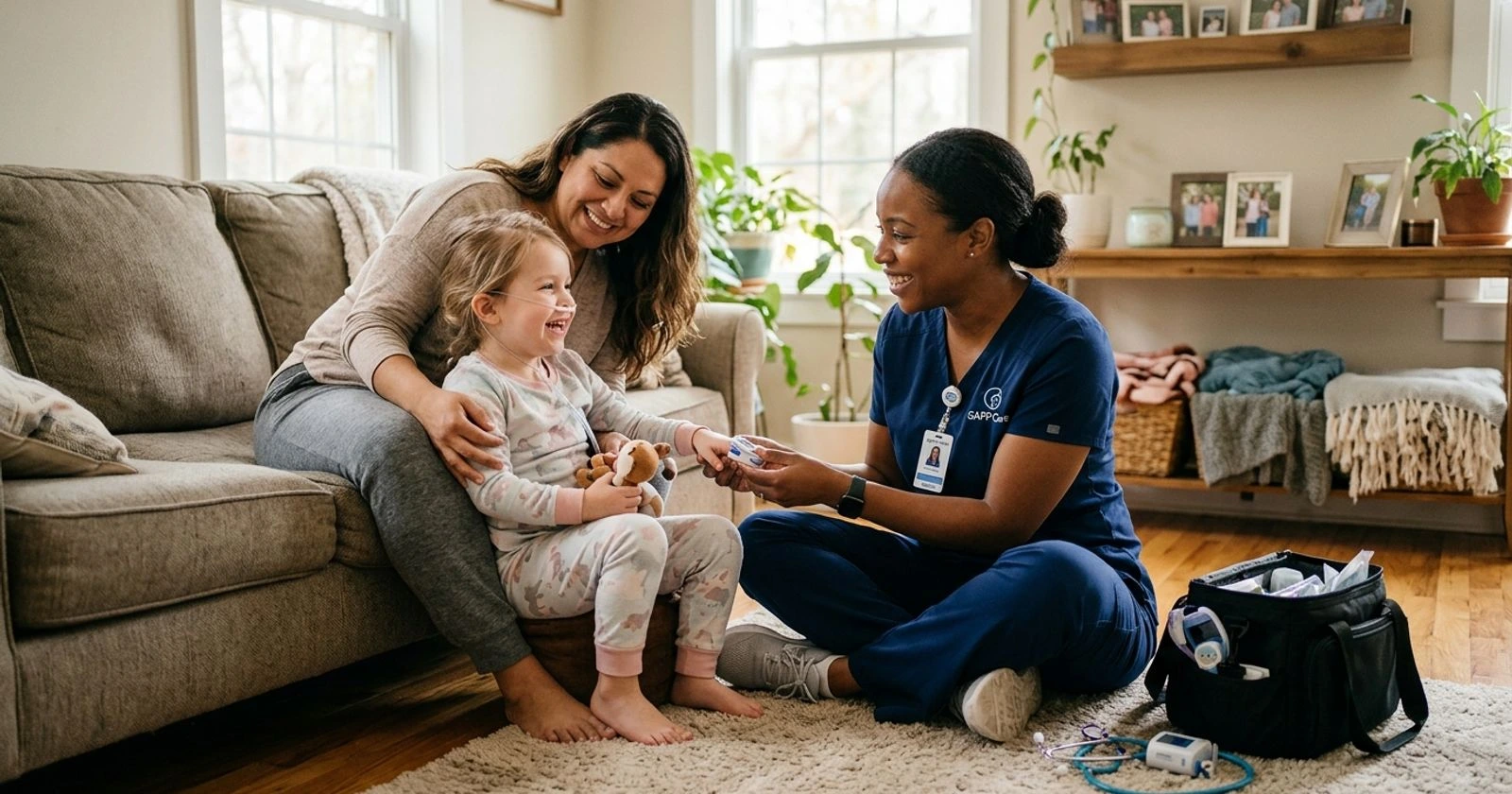
In Home Care provides skilled and unskilled nursing, at no out of pocket cost once approved by Georgia Medicaid, for medically fragile children through the GAPP Medicaid program. This service bridges the emerging care gaps created by mobile unit closures. Parents can secure consistent professional care in their own homes without facing financial ruin.
Skilled vs. Unskilled: What Free Pediatric Nursing Care Georgia Covers
Understanding the exact type of care your child needs is the first step in the GAPP process. The program divides services into two distinct categories based on medical necessity.
Decoding Skilled Nursing Interventions
Skilled nursing care involves complex medical procedures performed by licensed professionals. Registered Nurses (RNs) and Licensed Practical Nurses (LPNs) manage high level interventions that keep medically fragile children stable. These services include ventilator management, tracheostomy support, G tube feeding, and post surgery recovery care. The state requires strict credentialing for these providers to ensure patient safety.These nurses also handle daily medication management and vital sign monitoring. They follow exact physician orders to prevent medical emergencies at home. This clinical expertise is mandatory for children with severe respiratory or cardiac conditions.
Understanding Unskilled Personal Care
Unskilled personal care provides essential daily support through trained aides. These professionals help children with severe physical limitations manage activities of daily living. Tasks include bathing, grooming, meal preparation, and mobility assistance. This support gives exhausted parents the physical relief they need to maintain their household.Combining both skilled and unskilled hours creates a complete care plan. For example, an RN might manage morning medication and G tube feeding, while an aide assists with afternoon bathing and mobility. This layered approach successfully keeps medically fragile children out of hospitals.
The Commercial Provider Contrast
Many parents initially look at commercial providers like Aveanna Healthcare, Maxim Healthcare Services, or Pediatric Home Healthcare. These companies often operate on mixed funding models that can leave families with unexpected bills. They may blend private insurance requirements with state funds, which complicates the billing process.By properly aligning with a dedicated GAPP provider instead, families avoid hidden out of pocket costs entirely. The Medicaid funded model ensures that all approved hours remain completely free for the family. You get the same level of clinical expertise without the confusing corporate billing structures.
Eligibility Rules and Rural Access for Georgia Families
The rules for securing GAPP approval are specific and strictly enforced by the state. The child must be between ages 0 and 21 to qualify for pediatric services. They must also have a documented medically fragile diagnosis that requires skilled nursing care. Finally, the family must meet specific Medicaid income thresholds to activate the benefit.What I noticed when reviewing state resources is a significant geographic disparity in care. Families in rural Georgia counties often face waiting lists or severe provider shortages compared to urban centers like Atlanta. Navigating these network gaps requires working with an agency that actively recruits and deploys nurses to underserved regions. Parents outside major cities should begin their applications months in advance.
Aging Out at 21
Transition planning becomes critical as young adults approach age 21. They age out of pediatric coverage under GAPP at this milestone. Parents must coordinate with the Georgia Fulton County Board of Health case management system or state equivalents to transition their child to adult Medicaid waivers. Starting this process at age 19 prevents dangerous gaps in daily medical support.
Similarly, Mia’s Miracles offers $2,000 grants to eligible pediatric cancer patients. Applications for these funds must be submitted within six months of diagnosis. The money is distributed on a first come, first served basis until depleted.
Securing Your Child’s Care Before the 2026 Deadlines
The application process requires exact documentation and careful timing. You will use the Georgia Department of Community Health online portal to start the process. Gathering the right paperwork before you log in will save you weeks of frustrating delays.
Step by Step Application Requirements
- Collect Physician Orders: Secure written documentation from your child’s primary care doctor detailing the specific medical need.
- Compile Medical History: Gather all hospital discharge papers, surgical notes, and specialist evaluations.
- Verify Medicaid Status: Ensure your child currently meets Georgia Medicaid income and asset limits.
- Submit Through the Portal: Upload all materials to the Department of Community Health system for initial review.
State processing timelines in 2026 can be slow due to the impending waiver expiration. Initial applications typically take several weeks for review and approval. If the state denies your initial request or approves fewer hours than requested, you must file a formal appeal. Having detailed medical logs from your physician makes this appeal much stronger.
Pro Tip: Always select a provider network that strictly adheres to RN and LPN credential requirements under Georgia’s Medicaid standards. Poorly credentialed agencies often face state audits, which can suddenly interrupt your child’s daily care schedule.The December 31 waiver expiration is approaching quickly. Waiting until the fall to establish care puts your child at risk of coverage delays. SLB In-Home Care has specialists ready to help you navigate the complex GAPP paperwork right now. Book a free assessment today and
See If Your Child Qualifies to lock in your essential medical benefits.
Related Guides